
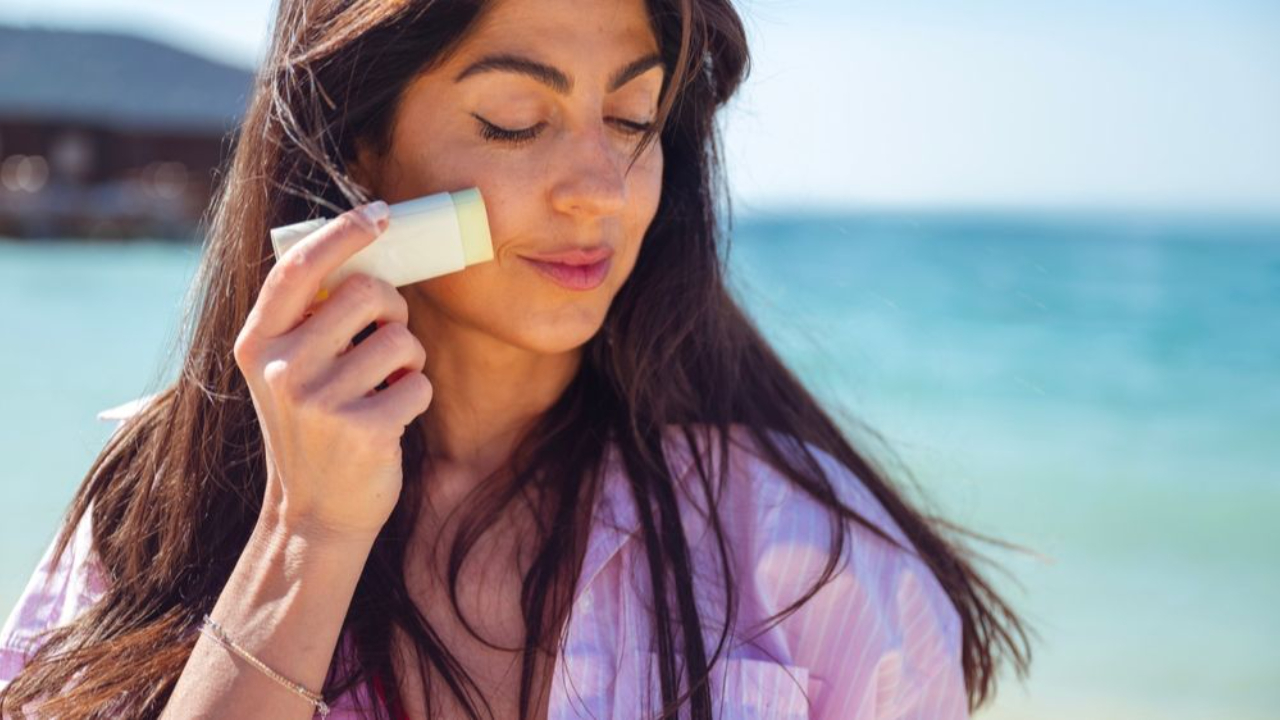
Does Sunscreen Cause Cancer?
For years, the public message has been simple: wear sunscreen to prevent cancer. That advice is well-intentioned, but it has also created a dangerous assumption: all sunscreen is inherently safe and should be used without question. Don’t put blind trust into sunscreen.
Let’s be clear about two things:
- Sunscreen can reduce UV damage that contributes to skin cancer.
- But many sunscreen products, even some marketed as “natural,” contain ingredients or delivery systems that deserve scrutiny.
Cancer prevention should never rely on a single commercial product. True prevention is about reducing total risk, not trading one exposure for another. At Cancer Freedom, we don’t recommend sunscreen. Instead, we advocate for intelligent sun protection, not automatic sunscreen dependence.
Here’s What Actually Causes Skin Cancer
Skin cancer is driven primarily by cumulative ultraviolet (UV) radiation damaging DNA inside skin cells. When exposure exceeds the body’s repair capacity, mutations build over time. Chronic inflammation, oxidative stress, and immune suppression further accelerate this process.
Major Contributors to Skin Cancer Risk
- Repeated sunburns, especially early in life
- Long-duration exposure without physical protection
- Intermittent intense exposure (vacation sun, yard work, sports)
- Tanning bed use
- Weakened immune resilience and poor metabolic health
Notice what is not on that list: forgetting to apply lotion.
The real issue is unmanaged exposure, not a lack of chemicals on the skin.
How Sunscreen Works—and Why That’s Only Part of the Story
Sunscreens attempt to reduce UV damage in two different ways.
Chemical Sunscreens
Chemical filters absorb radiation and convert it into heat. Common ingredients include:
- Oxybenzone
- Octinoxate
- Homosalate
- Avobenzone
These compounds interact with the skin biologically, and several are known to enter systemic circulation.
Mineral (Physical) Sunscreens
Mineral filters such as zinc oxide or titanium dioxide sit on the skin’s surface and scatter radiation.
However, concerns can arise when:
- Particles are engineered at nanoscale sizes
- Products include unnecessary stabilizers or additives
- Formulations are combined with fragrances or preservatives
Both categories can reduce sunburn when applied correctly. But reduction of sunburn is not the same as comprehensive cancer prevention, and neither category is automatically risk-free.
Does Sunscreen Cause Cancer?
Current evidence does not show sunscreen directly causing cancer. But that does not mean every formulation is benign for long-term, daily, full-body use across decades.
The more relevant question is this: Are we over-relying on products while ignoring safer, exposure-reducing behaviors?
Modern sun habits often encourage people to stay in intense sunlight longer because they feel “protected.” That behavioral compensation may offset some of the theoretical benefit of sunscreen use.
Cancer prevention should focus first on controlling exposure, not extending it.
Why You Should Be Cautious Even With “Clean” Brands
Consumers often assume that boutique or plant-based sunscreens solve the problem. Unfortunately, many still include ingredients that raise valid concerns.
Common Issues Found in “Natural” Products
- Penetration enhancers that increase systemic absorption
- Fragrance compounds linked to inflammation or sensitivities
- Preservatives that accumulate with repeated use
- Nano-sized particles with poorly understood long-term behavior
- Misleading SPF claims that encourage longer exposure
The label “natural” is not a toxicology standard. Marketing language is not safety data.
The Smarter Strategy: Optimize Sun Exposure Without Relying on Sunscreen
Human beings protected themselves from solar damage long before modern sunscreen existed. The most effective methods remain physical, behavioral, and metabolic, not chemical.
1. Control Your Timing
UV radiation peaks between 10 a.m. and 4 p.m., when DNA damage accumulates fastest.
Practical adjustments:
- Schedule outdoor activities earlier in the morning
- Move exercise or recreation to late afternoon
- Avoid prolonged midday exposure whenever possible
2. Use Clothing as Your Primary Shield
Fabric does not absorb into your bloodstream. It does not degrade in sunlight. It does not require reapplication.
Effective physical protection includes:
- Lightweight long-sleeve shirts
- Wide-brim hats that cover face, ears, and neck
- Tightly woven fabrics that block UV penetration
- UV-protective sunglasses
Clothing provides consistent protection—something sunscreen cannot replicate.
3. Seek Shade Intentionally
Shade is not just about comfort; it is an active protective strategy.
Use environmental protection wisely:
- Sit under trees, awnings, or covered patios
- Plan outdoor gatherings in shaded environments
- Rotate between sun and shade throughout the day
4. Shorten Exposure Instead of Trying to “Outsmart” It
Many people apply sunscreen and then remain in direct sun for hours. That defeats the biological goal.
A better approach:
- Limit total time in direct sunlight
- Take indoor or shaded breaks
- Avoid cumulative exposure during high-index days
Dose matters more than product.
5. Allow Gradual Adaptation, Not Intense Bursts
Sudden, high-dose exposure is far more damaging than short, consistent exposure. Skin tolerates sunlight better when exposure increases gradually rather than dramatically.
This is controlled acclimation—not intentional tanning.
6. Support Your Skin’s Internal Defense Systems
Your skin is metabolically active tissue. Its resilience depends on antioxidant capacity, mitochondrial function, and inflammation control.
Nutritional support for photoprotection includes:
- Colorful vegetables rich in carotenoids
- Omega-3 fatty acids for anti-inflammatory balance
- Polyphenol-rich plant foods
- Adequate hydration and mineral intake
No diet replaces smart sun habits, but internal resilience matters.
7. Understand Reflective Exposure
Many people underestimate UV exposure from reflected light.
High-reflection environments include:
- Water surfaces
- Sand and beaches
- Concrete and pavement
- Snow-covered terrain
These settings can significantly increase total radiation exposure even when you are not directly facing the sun.
8. Monitor the UV Index Like You Monitor Weather
The UV Index is one of the most useful—and underutilized—risk indicators.
Use it to guide decisions:
- High UV Index = shorten exposure
- Moderate UV Index = plan breaks and protection
- Do not rely on temperature or cloud cover as indicators
A More Responsible View of Sun Protection
The conversation should not be “sunscreen versus no sunscreen.” That is a false binary.
A More Effective Hierarchy of Protection
- Reduce exposure duration
- Use physical barriers first
- Optimize biological resilience
- Use topical products selectively—not reflexively
When sunscreen is treated as a backup tool of last resort rather than a lifestyle crutch, it becomes far more useful and far less concerning. Get to know our approach to cancer prevention and wellness.
