
Can High Blood Sugar Cause Cancer?
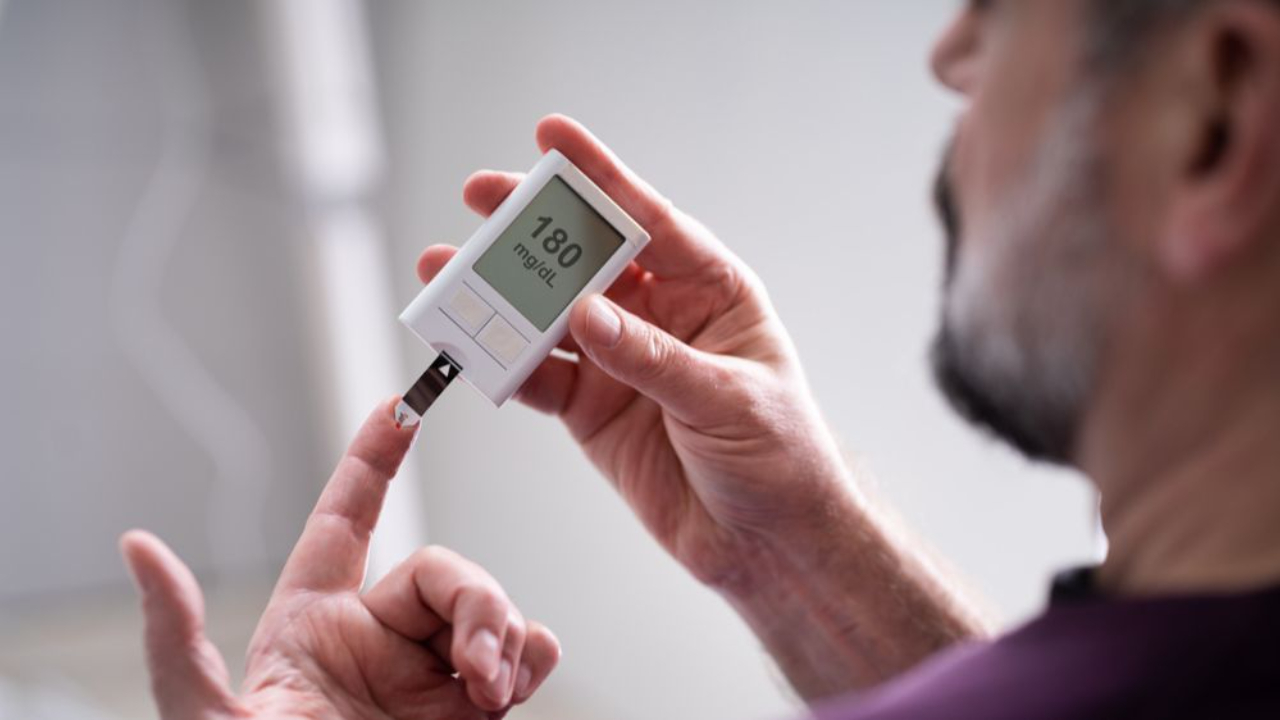
Toxins, radiation, and cigarettes are all known to cause cancer. But sugar? It’s complicated. If you’ve ever asked, “Can high blood sugar cause cancer?” then you might have received mixed answers from conventional medicine. You’re told that sugar doesn’t directly cause cancer, or that the relationship is “associative, not causative.” While that answer is technically correct in a narrow sense, it misses a much deeper and more important truth.
When we look at cancer through a metabolic and cellular lens, rather than a purely genetic or environmental one, blood sugar plays a central role in how cancer develops, grows, and survives. High blood sugar doesn’t act like a single on/off switch for cancer, but it creates an internal environment that strongly supports cancer cell growth while weakening the body’s natural defenses.
To understand this connection, we need to look at how cancer cells produce energy and why glucose becomes so important to them.
Cancer as a Metabolic Disease
For decades, cancer has been viewed primarily as a genetic disease. While genetic mutations are involved, they are not the whole story. Increasingly, cancer is being recognized as a metabolic disease, meaning it involves fundamental changes in how cells generate and use energy.
Healthy cells mainly generate energy through a process called aerobic respiration. This highly efficient process occurs in the mitochondria, where oxygen helps create the molecule ATP, which functions as the cell's primary energy source. This process is highly efficient, allowing cells to function normally with relatively modest fuel demands.
Cancer cells behave differently. Even in the presence of oxygen, many cancer cells shift to anaerobic energy production, a phenomenon known as the Warburg effect. Instead of using oxygen efficiently, cancer cells rely heavily on glycolysis, a less efficient process that produces far less energy per molecule of glucose.
Because anaerobic metabolism is inefficient, cancer cells require significantly more glucose to meet their energy needs. This is one of the defining characteristics of cancer metabolism.
Why Cancer Cells Crave Glucose
Glucose is simply blood sugar, and it comes from carbohydrates of all kinds, not just table sugar. Bread, pasta, rice, fruit, processed foods, and even some “healthy” carbs all break down into glucose in the bloodstream.
Cancer cells are essentially glucose addicts. Because they produce energy anaerobically, they need a constant and abundant supply of glucose to survive. This is why cancer cells often overexpress glucose transporters, pulling sugar out of the bloodstream more aggressively than healthy cells.
Now combine this metabolic inefficiency with another hallmark of cancer: rapid growth. Cancer cells divide uncontrollably. Cell division requires enormous amounts of energy and raw materials. The faster cancer cells try to grow, the more glucose they demand.
This creates a dangerous feedback loop. High blood sugar feeds cancer metabolism, and cancer growth further increases glucose demand.
Metabolic Markers Seen in Cancer Clients
When clinicians evaluate individuals dealing with cancer through a metabolic lens, certain blood markers often stand out. These markers don’t diagnose cancer on their own, but they tell a story about the internal environment that cancer thrives in.
Common metabolic markers associated with cancer and metabolic dysfunction include elevated fasting glucose, high insulin levels,and increased HbA1c.. These markers indicate chronic blood sugar instability and insulin resistance.
Other important markers include LDH (lactate dehydrogenase), which reflects increased anaerobic metabolism, and IGF-1 (insulin-like growth factor-1), a powerful growth signal that can promote cancer cell proliferation.
Together, these markers reflect a metabolic terrain that supports cancer growth rather than suppresses it.
High Blood Sugar, Immunity, and Inflammation
High blood sugar doesn’t just feed cancer cells. It also undermines the immune system’s ability to recognize and destroy abnormal cells.
Sustained elevated glucose levels compromise the function of immune cells, such as natural killer cells and T-cells, which are crucial for cancer surveillance. Increased sugar consumption contributes to chronic inflammation. This inflammation harms tissues and generates signals that cancer cells use to their advantage.
High insulin levels further complicate the picture. Insulin is a growth hormone. When insulin levels remain elevated due to frequent sugar and carbohydrate intake, it sends constant growth signals throughout the body. Cancer cells are particularly responsive to these signals.
Over time, this combination of impaired immunity, chronic inflammation, and excessive growth signaling creates fertile ground for cancer development and progression.
The Link Between Diabetes and Cancer Risk
Most people equate high blood sugar with diabetes. It makes sense. One of the strongest real-world indicators of the blood sugar–cancer connection is the well-documented link between diabetes and cancer risk.
People with type 2 diabetes have a significantly increased risk of developing several types of cancer, including breast, colorectal, pancreatic, liver, and endometrial cancers. This increased risk persists even after accounting for factors like obesity and lifestyle.
Diabetes is characterized by chronic hyperglycemia, insulin resistance, and elevated insulin levels. These conditions mirror the metabolic environment that cancer cells prefer.
Importantly, it is not just diagnosed diabetes that matters. Pre-diabetes, metabolic syndrome, and long-term blood sugar instability can all contribute to increased cancer risk, even in individuals who appear otherwise “healthy.”
Why Sugar Is Not Just Sugar
When discussing the link between cancer and sugar, it is crucial to understand that this concern goes beyond simply cutting out desserts. Blood sugar comes from all dietary carbohydrates, including grains, starches, and many processed foods marketed as healthy.
Frequent carbohydrate intake keeps glucose and insulin elevated throughout the day, leaving little opportunity for metabolic recovery. Over time, this pattern weakens metabolic flexibility and shifts the body toward sugar dependence, a state that cancer cells exploit.
Starve Cancer Cells Through a Low-Sugar, Ketogenic Diet
A low-sugar, mostly ketogenic diet works by dramatically reducing glucose availability while shifting the body toward fat and ketone metabolism. Healthy cells can adapt to this shift and function efficiently using ketones. Cancer cells, however, struggle because they are metabolically inflexible and heavily dependent on glucose.
By lowering blood sugar and insulin levels, a ketogenic approach removes one of cancer’s primary fuel sources while reducing growth signaling and inflammation. At the same time, ketone metabolism supports immune function and mitochondrial health.
This is not about “curing” cancer with diet alone, but about changing the internal terrain so cancer cells are less able to thrive and the immune system is better equipped to do its job.
Cancer Freedom: A Holistic Path to Cancer Prevention and Support
Addressing cancer holistically means looking beyond isolated symptoms or single treatment modalities. It means understanding metabolism, immune function, nutrition, stress, and lifestyle as interconnected systems.
Blood sugar regulation is one of the most powerful and accessible levers we have for influencing cancer risk and progression. By stabilizing glucose, improving insulin sensitivity, and supporting metabolic health, we create an internal environment that favors healing rather than disease.
For a comprehensive, holistic approach to cancer prevention and management, including education, support, and guidance based on metabolic and integrative health principles, consider exploring the resources offered by the Cancer Freedom community. We’re committed to helping individuals understand their bodies, take control of their health, and create conditions where wellness can thrive.
